Environmental Stewardship
Propel Energy Group USA is working to meet global energy needs while preserving and fortifying fragile ecosystems.

Propel Energy Group’s environmental management endeavors are a top priority. Our commitment to safe, responsible, and sustainable operations includes implementing environmental management systems that comply with international standards.
Propel Energy Group deeply respects the sensitive, often pristine settings we enter and explore. Our aim is to conduct our endeavors responsibly. We are committed to safety, environmental protection, and economic growth in all communities we serve.
We plan to help countries in the Eastern Hemisphere transition from traditional air-polluting fuels (coal and wood) to clean-burning LPG.
Propel Energy Group’s trading and transport of LPG (also referred to as propane or butane) to Eastern Hemisphere countries facilitates a transition to low-carbon economies in that part of the world. This transition contributes to achieving lower carbon goals, thus satisfying the desire of many customers.
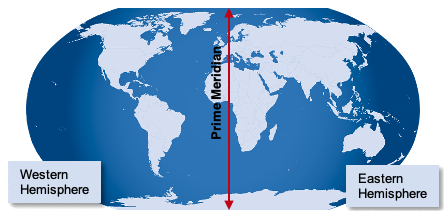
Environmental and climate change differences exist between the Eastern and Western Hemispheres based on the use of air-polluting fuels like coal and wood in the Eastern Hemisphere.
The Eastern Hemisphere is home to many countries that rely heavily on traditional air-polluting fuels like coal and wood for cooking, heating, and electricity generation. Burning these fuels produces high levels of air pollution, which can impact public well-being and the environment.
These traditional fuels also contribute to climate change, as they are significant sources of greenhouse gas emissions. China, India, and other countries in the Eastern Hemisphere rely primarily on traditional, high-carbon-emitting fuels. Burning coal, in particular, can produce large amounts of carbon dioxide, thus contributing to climate change.
Propel Energy Group’s focus on LPG trading and transport will bring three key benefits to address climate change:

- Lower Greenhouse Gas Emissions: LPG (Propane) has lower carbon emissions than other fossil fuels like coal and oil. When burned, propane emits fewer greenhouse gases, such as carbon dioxide and methane. Excessive amounts of these gases in the atmosphere can contribute to climate imbalance.
- Reduced Air Pollution: Using propane can also help reduce air pollution as it produces fewer harmful pollutants like particulate matter and nitrogen oxides, which harm human health and the environment.
- Energy Efficiency: Propane-powered equipment can be highly energy efficient, meaning less fuel is required to produce the same amount of energy as other fossil fuels. Propane's efficiency can lead to lower emissions as less fuel is needed to produce the same amount of energy.
Propel Energy Group’s LPG (propane) is a valuable tool for countries transitioning to a low-carbon economy. Moreover, our LPG trade and transport contributes to achieving our ambition for lower carbon emissions in several ways:
- Propane produces lower emissions than other fossil fuels. Therefore, it can be used as an intermediary fuel to help reduce emissions while transitioning to renewable energy sources.
- Using renewable propane can significantly reduce greenhouse gas emissions.
- Propane can also be used in conjunction with other low-carbon technologies, such as solar and wind power, to create hybrid energy systems that are more resilient, reliable, and sustainable.
Problems viewing this website?